








Forex trading can be an exciting and profitable venture, especially for beginners who are just getting started. However, finding the right forex broker is essential for a successful trading experience. This article provides a comprehensive comparison of the 10 best forex brokers for beginners, highlighting key benefits and features to help you pick the best option.
To help you get started on the right foot, here’s a quick overview of our top 10 Forex brokers for beginners, each offering unique advantages:
List of the Best 10 Forex Brokers for Beginners
In this section, we will provide a detailed review of the top 10 Forex brokers that are most suitable for beginners. Each broker has been selected based on their ease of use, educational resources, customer support, and overall trading experience.
1. StarTrader – Best for choice of markets and demo account
StarTrader is our best choice for beginners at WR Trading, earning a score of 5/5, because it’s easy to get started. It has a low minimum deposit of $50, a full demo account to practice first, and 24/5 chat, email, and phone support that answers quickly when you get stuck. We found it to be a very safe platform to trade on due to tier-1 regulators such as the FCA in the UK and ASIC in Australia.
We consider asset variety one of StarTrader’s strong points, as you can trade more than 500 instruments with over 80 currency pairs, so beginners can stay with majors at the start and expand later without opening a second account. Fees are straightforward to plan, with spreads starting from 0.0 pips and commission ranging from 0% to $3.5 per lot, depending on the account. Leverage is available up to 1000:1, so we recommend starting with small sizes while you learn.
Trading platforms include WebTrader, MT4, and MT5, which means tons of tutorials, indicators, and copy-trading add-ons are available when you need them. StarTrader also runs bonus programs from time to time, which can help offset costs for small accounts, and the account page makes switching between demo and live straightforward.
| Feature | Information |
|---|---|
| Beginner Friendly? | Yes |
| Spreads and Commission | Varies based on account: Spread – from 0.0 pips Commission – from 0% to $3.5 per lot |
| Trading Platforms | Web Trader, MetaTrader 4 and MetaTrader 5 |
| Asset Types | Forex, commodities, indices, shares, crypto |
| Tradable Assets | Over 500 |
| Currency Pairs | Over 80 |
| Leverage | Up to 1000:1 |
| Customer Support | 24/5 phone, email, and live chat |
| Demo Account | Yes |
| Mobile App | iOS and Android |
| Educational Content | Trading guides, webinars, and market insights |
| Regulation | FCA, ASIC, CMA, FSCA, and VFSC |
2. Vantage Markets
When it comes to user experience, Vantage Markets gets a big thumbs up from WR Trading, making it our 2nd best forex broker for beginners.. The interface is clean, easy to navigate, and perfect for beginners who might find other platforms a bit overwhelming. Plus, Vantage Markets supports Vantage App, MetaTrader 4, MetaTrader 5, and ProTrader, ensuring you have all the tools you need at your fingertips.
Vantage Markets offers competitive spreads from 0.0 pips and leverage up to 500:1, ideal for those looking to maximise their positions without investing a lot of capital. You’ll have access to over 40 Forex pairs, so there’s plenty of room to explore and diversify your trades.
What sets Vantage Markets apart, in our opinion, is its range of account options, including the RAW ECN account, which offers some of the lowest spreads in the industry. This can be beneficial for beginners who are mindful of trading costs as they learn the basics.
| Feature | Information |
|---|---|
| Beginner Friendly? | Yes |
| Spreads and Commission | Varies based on account: Spread – from 0.0 pips Commission – From $1.50 per lot |
| Trading Platforms | Vantage App, MetaTrader 4, MetaTrader 5, and ProTrader |
| Asset Types | Forex, stocks, indices, commodities, bonds, and ETFs |
| Tradable Assets | Over 1,000 |
| Currency Pairs | Over 40 |
| Leverage | 500:1 |
| Customer Support | Email, live chat, and phone support |
| Demo Account | Yes |
| Mobile App | iOS and Android |
| Educational Content | Courses, webinars, and ebooks |
| Regulation | ASIC, FCA, FSCA, VFSC, and CIMA |
3. RoboForex
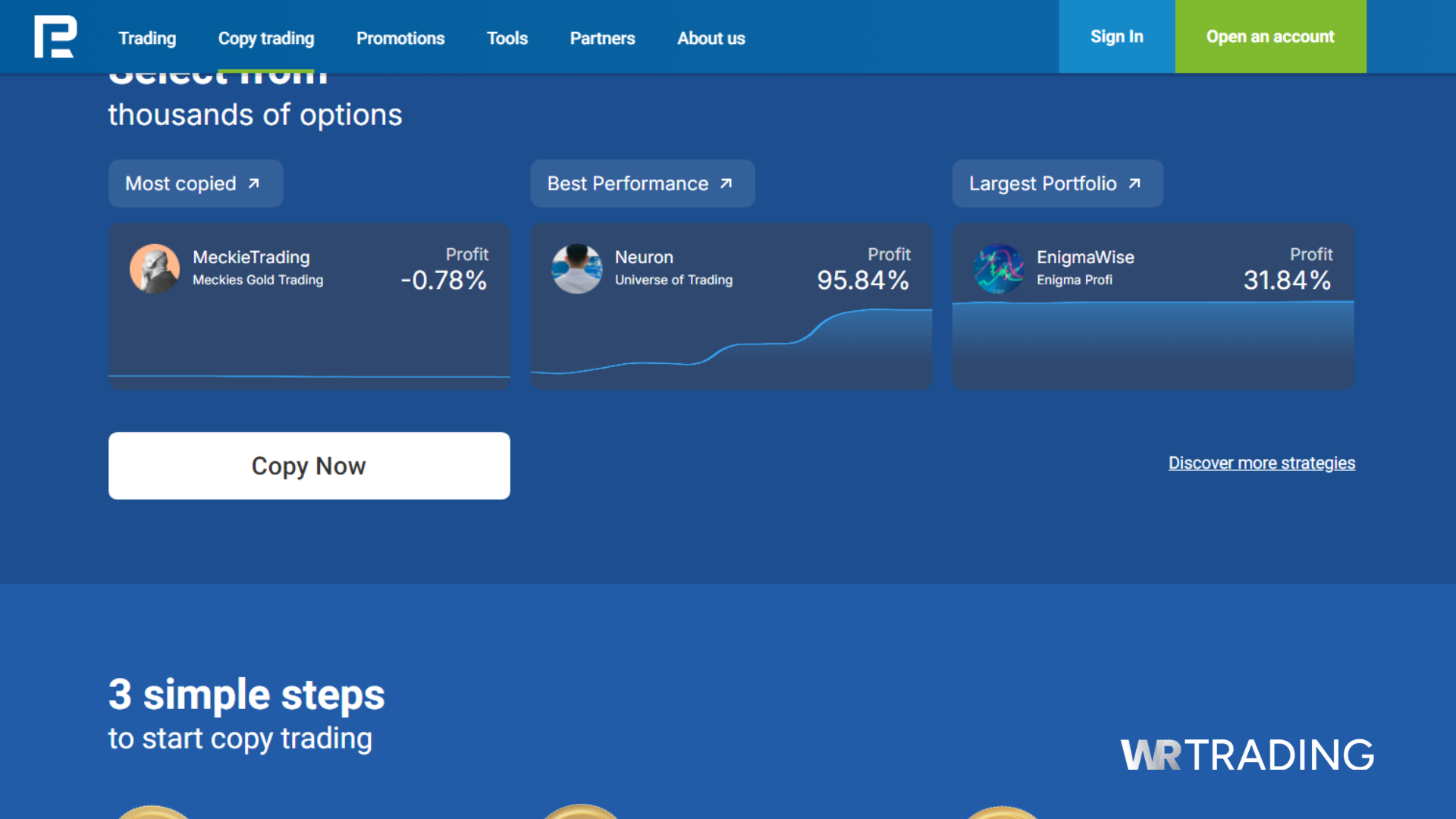
RoboForex takes our 3rd spot at WR Trading as it has caught our attention due to its incredibly low minimum deposit requirement of just $10. This makes it an accessible option for beginners who don’t want to commit large sums of money upfront. The broker also supports a variety of platforms that come with free demos, including MetaTrader 4, MetaTrader 5, and R Stocks Trader, giving you plenty of flexibility.
With spreads starting from 0.0 pips and leverage up to 2000:1, RoboForex offers competitive trading conditions. The ability to trade over 40 forex pairs means there’s enough variety to keep things interesting without being overwhelming. However, we do not recommend beginners use such high leverage as it can lead to rapid losses, especially if you have little experience.
One feature we appreciate is RoboForex’s CopyFX, which allows beginners to copy the trades of more experienced traders. This not only provides a learning opportunity but also a potential way to profit while you’re still getting the hang of forex trading.
| Feature | Information |
|---|---|
| Beginner Friendly? | Yes |
| Spreads and Commission | Varies based on account: Spread – from 0.0 pips Commission – from 10/mio |
| Trading Platforms | MetaTrader 4, MetaTrader 5, and R Stocks Trader |
| Asset Types | Stocks, indices, futures, ETFs, commodities, and forex |
| Tradable Assets | Over 12,000 |
| Currency Pairs | Over 40 |
| Leverage | 2000:1 |
| Customer Support | Email, live chat, and phone support |
| Demo Account | Yes |
| Mobile App | iOS and Android |
| Educational Content | None |
| Regulation | Financial Services Commission (FSC) of Belize |
4. Forex.com – Best for US Beginners
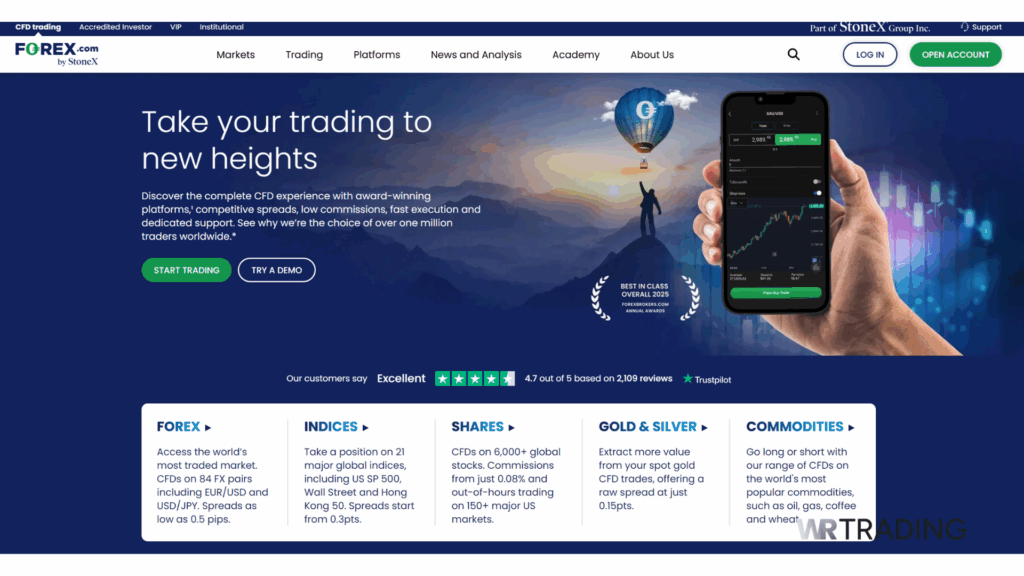
Forex.com is our #1 forex broker in the US and most beginner-friendly, with regulation by the CFTC and NFA. You can start on WebTrader or the Forex.com app and move to MT4/MT5 later as you gain more experience. Pricing is clear, with spreads starting from 0.0 pips on commission accounts and a commission of $60 per million traded on the RAW model, so you always know the entry cost before you click ‘buy’ or ‘sell’.
During our testing, we found that market access is extensive for a starter account, featuring over 80 currency pairs and more than 4,500 total instruments, along with a comprehensive paper trading account that allows you to practice order entry, stops, and position sizing with no risk.
Education is another strong point that we found, including guides, video tutorials, and webinars focused on platform basics and market events, which help you learn in a structured way. Leverage can go up to 500:1 depending on region, but that cap for US retail traders is 50:1
| Feature | Information |
|---|---|
| Beginner Friendly? | Yes |
| Spreads and Commission | Varies based on account: Spread – from 0.0 pips Commission – from $60 per million traded |
| Trading Platforms | MetaTrader 4, MetaTrader 5, WebTrader, and Forex.com App |
| Asset Types | Forex, commodities, indices, shares, crypto |
| Tradable Assets | Over 4,500 |
| Currency Pairs | Over 80 |
| Leverage | Up to 500:1 |
| Customer Support | 24/5 phone, email, and live chat |
| Demo Account | Yes |
| Mobile App | iOS and Android |
| Educational Content | Guides, video tutorials, webinars |
| Regulation | CIRO, CySEC, CFTC, NFA, CIMA, FCA, SFC, JFSA, MAS, and ASIC |
5. Moneta Markets
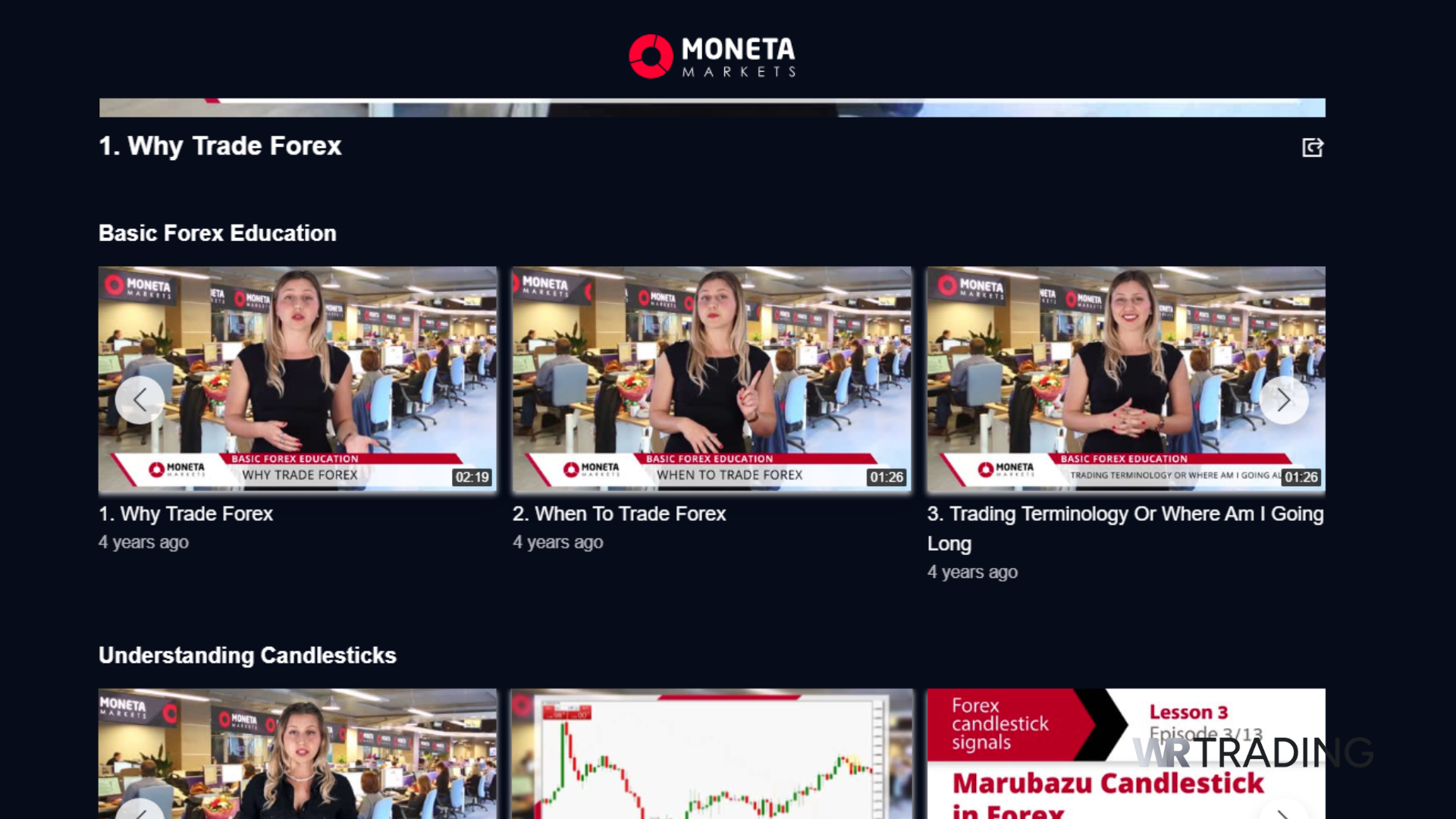
Moneta Markets has earned its spot on our list due to its sleek, web-based platform that eliminates the need for downloads. This makes it easy to access your trading account from any device with internet connectivity, which is a huge plus for beginners. However, you can still download the available desktop trading platforms, such as MetaTrader 4 and MetaTrader 5.
The spreads at Moneta Markets start from 0.0 pips, and with leverage up to 1000:1, you have the potential to make huge profits even with a smaller initial investment. The broker offers over 45 forex pairs and over 1,000 tradable assets in other markets.
We like Moneta Markets for its focus on transparency and security. The platform uses advanced encryption technologies to protect your data and transactions, ensuring a secure trading environment. 2-step authentication is available as an additional layer of protection. This is reassuring for beginners who might be concerned about online security.
| Feature | Moneta Markets |
|---|---|
| Beginner Friendly? | Yes |
| Spreads and Commission | Varies based on account: Spread – from 0.0 pips Commission – from no commission to $3 per lot |
| Trading Platforms | MetaTrader 4, MetaTrader 5, Pro Trader, and MT4 WebTrader |
| Asset Types | Forex, commodities, indices, ETFs, bonds, and stocks |
| Tradable Assets | Over 1,000 |
| Currency Pairs | Over 45 |
| Leverage | 1000:1 |
| Customer Support | Email, live chat, and phone support |
| Demo Account | Yes |
| Mobile App | iOS and Android |
| Educational Content | Blogs and guides |
| Regulation | Cayman Islands Monetary Authority and Financial Sector Conduct Authority |
6. BlackBull Markets
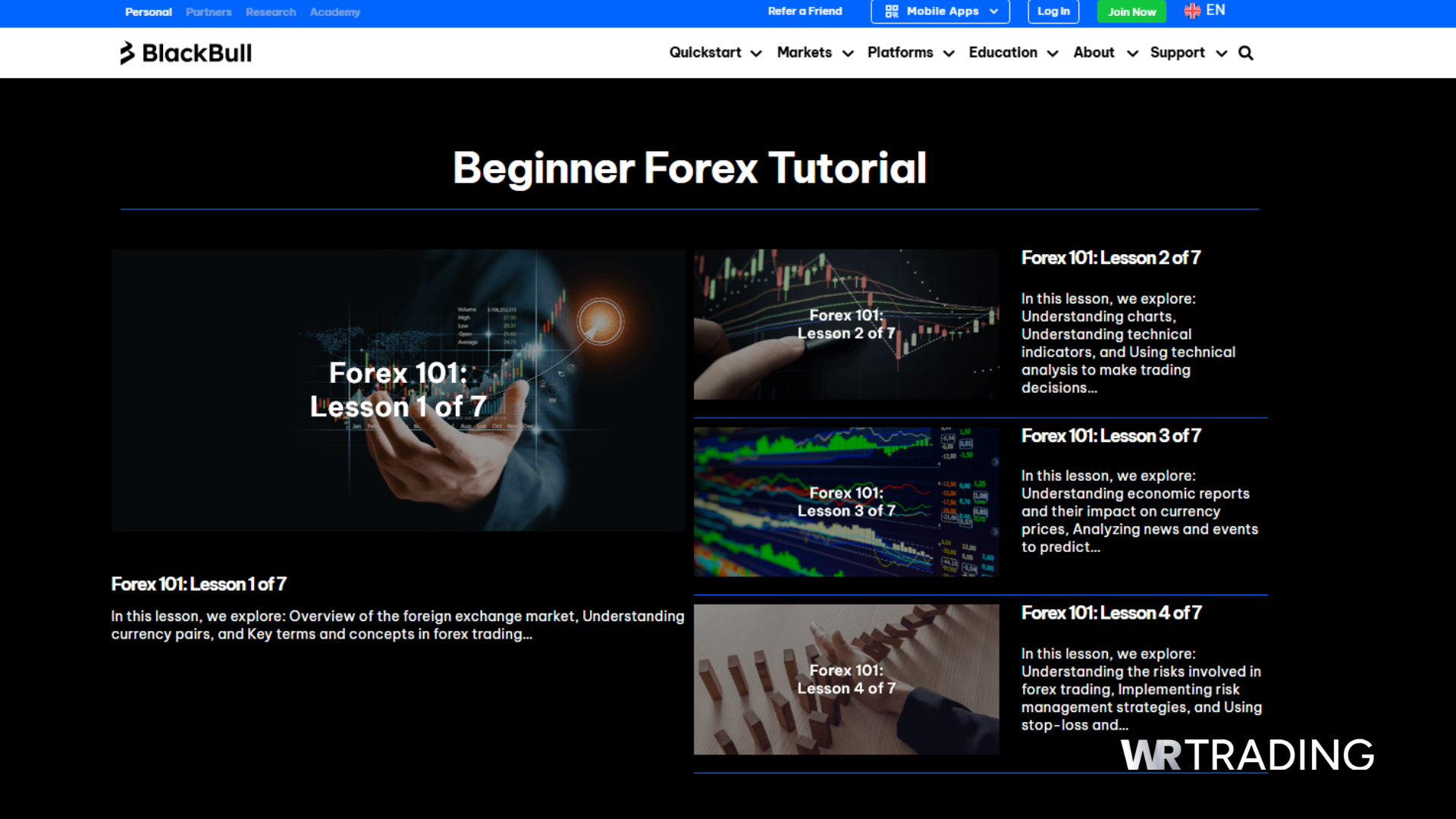
BlackBull Markets is the best broker for beginners, thanks to its exceptional trade execution speeds and low-latency connections. The broker supports MetaTrader 4, MetaTrader 5, MetaTrader Web Trader, cTrader, TradingView, and BlackBull Trade, providing powerful trading tools and customisable interfaces that suit traders at all levels.
Spreads starting from 0.0 pips and leverage up to 500:1 make BlackBull Markets a cost-effective and flexible choice. With access to over 70 Forex pairs, you’ll have no shortage of trading options. This broad range is ideal for beginners looking to experiment with different strategies and find what works best for them.
A unique feature is BlackBull Markets’ educational content. They have three programs: beginner, intermediate, and advanced. This means beginners of all experience levels will find content that helps them improve. A demo account is available to test the trading platforms and practice your forex trading skills.
| Feature | BlackBull Markets |
|---|---|
| Beginner Friendly? | Yes |
| Spreads and Commission | Varies based on account: Spread – from 0.0 pips Commission – From no commission to $6 per lot |
| Trading Platforms | MetaTrader 4, MetaTrader 5, MetaTrader Web Trader, cTrader, TradingView, and BlackBull Trade |
| Asset Types | Forex, commodities, indices, cryptocurrencies, futures, and stock |
| Tradable Assets | Over 26,000 |
| Currency Pairs | Over 70 |
| Leverage | 500:1 |
| Customer Support | Email, live chat, and phone support |
| Demo Account | Yes |
| Mobile App | iOS and Android |
| Educational Content | Webinars, tutorials, education hub |
| Regulation | FSA in Seychelles and FMA in New Zealand |
7. Pepperstone
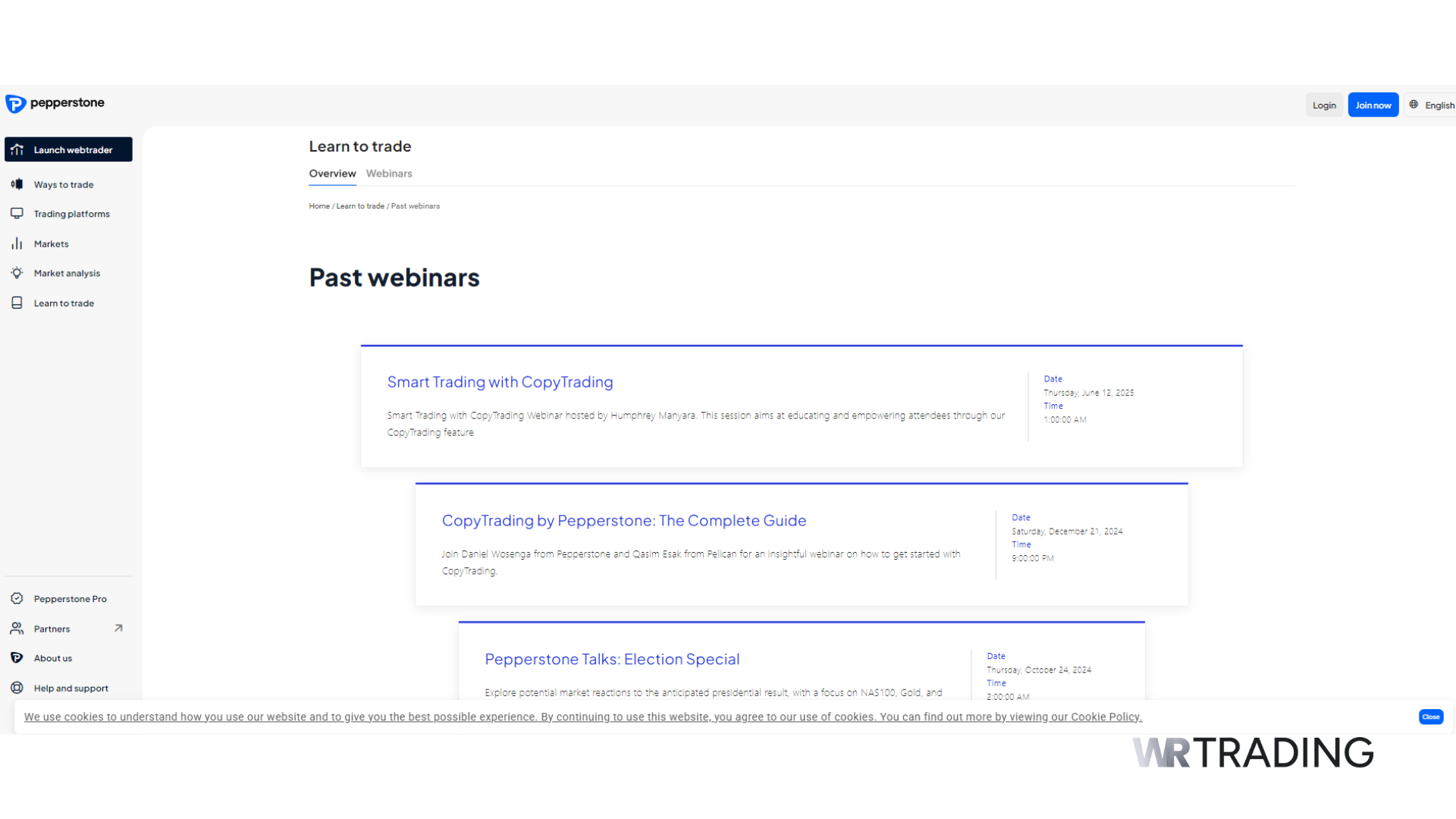
Pepperstone consistently ranks highly in our WR Trading reviews, especially for beginners. The broker is known for its razor-sharp spreads, starting from 0.0 pips, which is fantastic if you’re keen on minimising trading costs. Pepperstone supports MetaTrader 4, MetaTrader 5, cTrader, and TradingView, suiting various trading styles and preferences.
We recommend using Pepperstone’s educational section, as starting with these platforms can be intimidating for those new to forex trading. With over 90 forex pairs available, you can trade popular and exotic currency pairs based on your strategy. The leverage up to 500:1 offers the flexibility to enhance your trading positions, though it’s essential to manage it wisely to avoid unnecessary risks.
What makes Pepperstone appealing is its risk management tools, including negative balance protection and customisable stop-loss orders. These features help beginners manage their risk effectively, ensuring they don’t lose more than their initial investment, a critical consideration when starting.
| Feature | Pepperstone |
|---|---|
| Beginner Friendly? | Yes |
| Spreads and Commission | Varies based on account: Spread – from 0.0 pips Commission – From no commission to $3 per lot |
| Trading Platforms | MetaTrader 4, MetaTrader 5, cTrader, and TradingView |
| Asset Types | Forex, commodities, indices, cryptocurrency, stocks, and ETFs |
| Tradable Assets | Over 1,200 |
| Currency Pairs | Over 90 |
| Leverage | 500:1 |
| Customer Support | Email and phone support |
| Demo Account | Yes |
| Mobile App | iOS and Android |
| Educational Content | Webinars, educational videos, and trading guides |
| Regulation | FCA, CySEC, ASIC, BaFin, CMA, and DFSA |
8. IC Trading
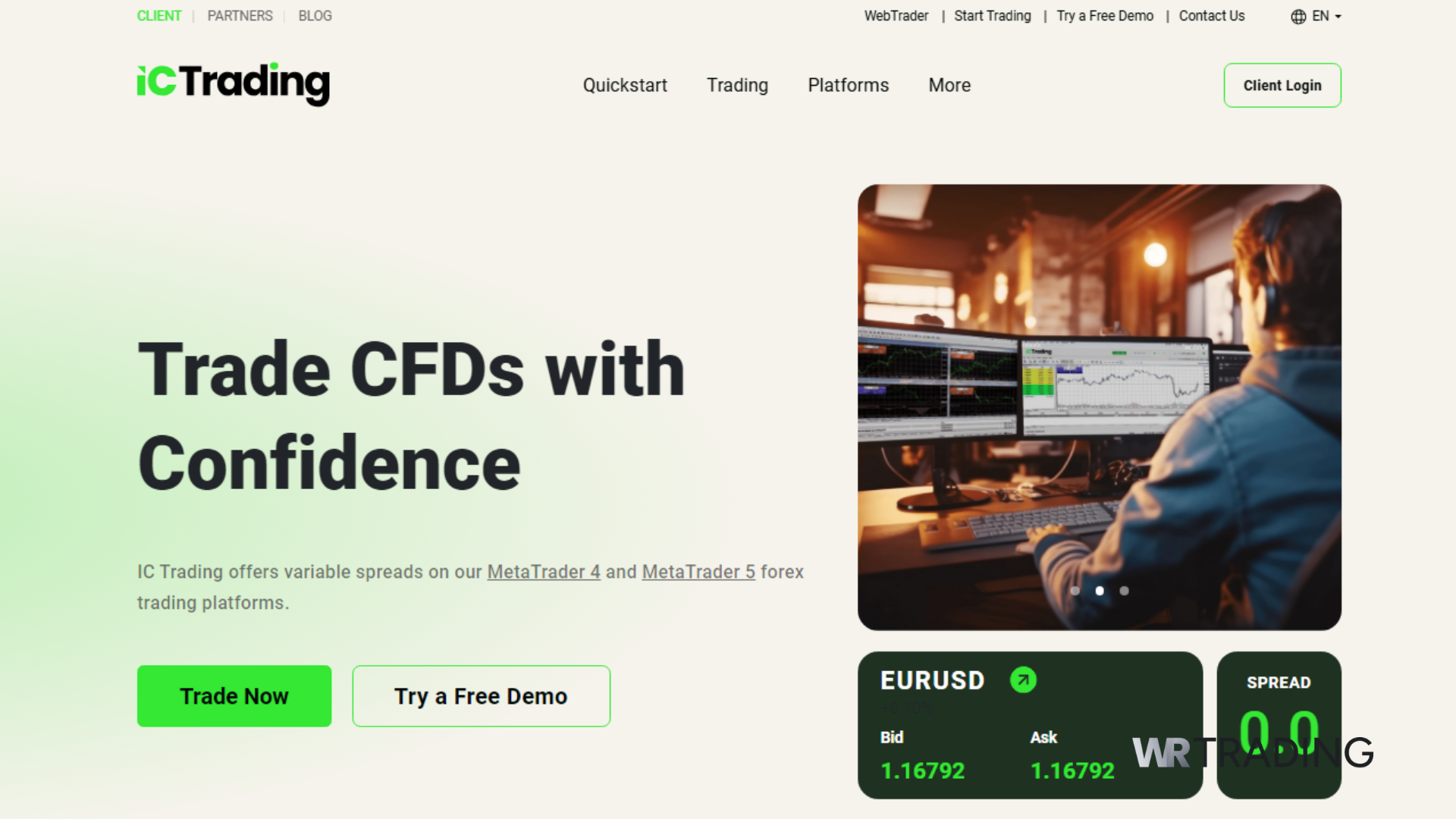
IC Trading stands out for its ultra-low spreads, starting from 0.0 pips and high leverage up to 500:1. The broker supports MetaTrader 4, MetaTrader 5, and cTrader, offering a variety of platforms to suit different trading styles. Each platform is easy to use and comes with tutorials to help you get started.
With access to over 60 Forex pairs, IC Trading provides a diverse range of trading opportunities. The fast execution speeds and deep liquidity pools ensure minimal slippage, which is vital for executing trades efficiently and effectively.
One feature that IC Trading excels at is its suite of trading tools, including economic calendars, market analysis, and customisable indicators. These tools are handy for beginners looking to make informed trading decisions and develop effective strategies.
| Feature | IC Trading |
|---|---|
| Beginner Friendly? | Yes |
| Spreads and Commission | Varies based on account: Spread – from 0.0 pips Commission – From no commission to $3.50 per lot |
| Trading Platforms | MetaTrader 4, MetaTrader 5, and cTrader |
| Asset Types | Forex, commodities, indices, stocks, bonds, and cryptocurrency |
| Tradable Assets | Over 2,250 |
| Currency Pairs | Over 60 |
| Leverage | 500:1 |
| Customer Support | Email, live chat, and phone support |
| Demo Account | Yes |
| Mobile App | Not available |
| Educational Content | Tutorials and blogs |
| Regulation | Financial Services Commission of Mauritius |
9. FBS
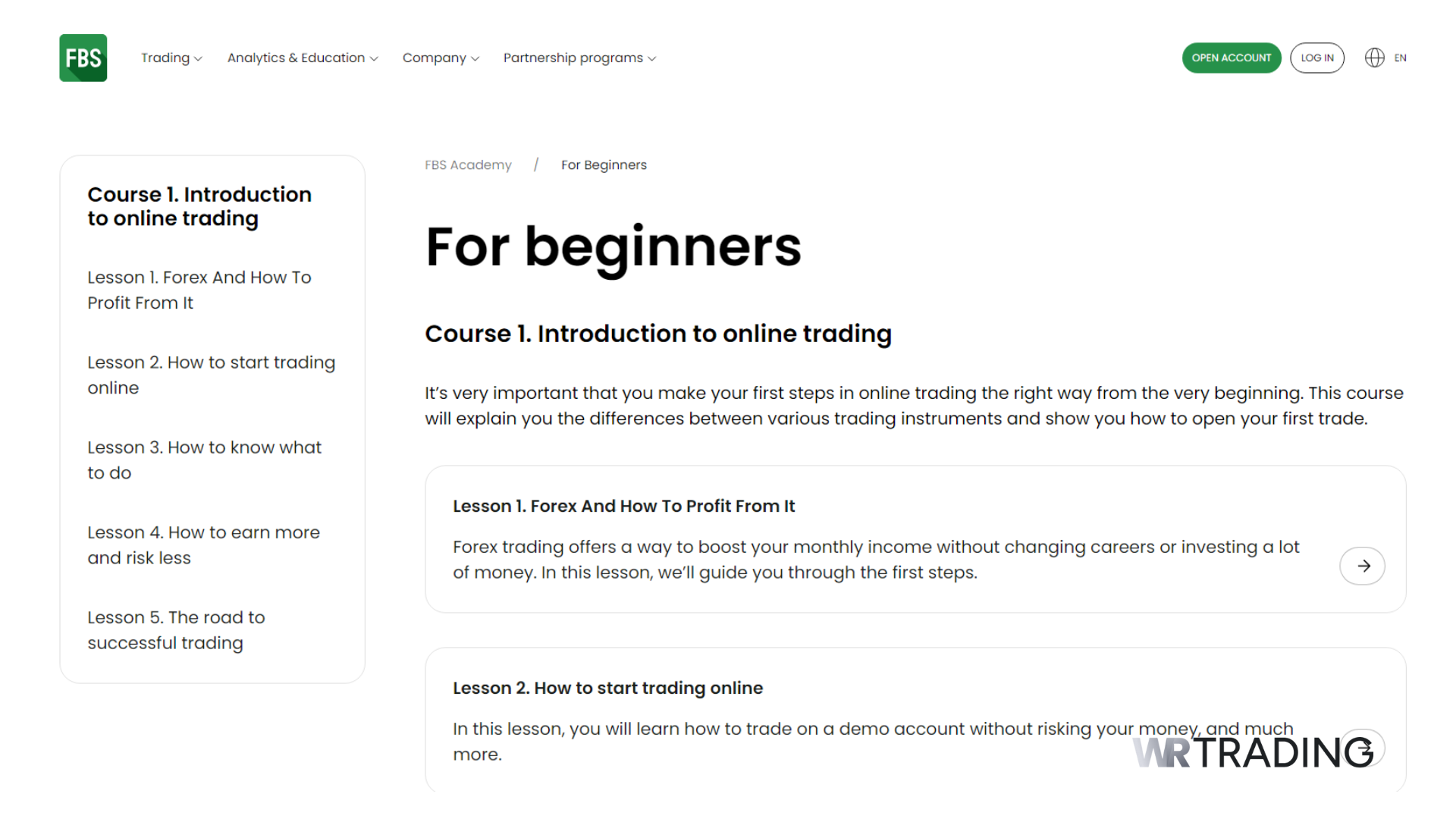
FBS stood out for its high-leverage options and extremely low entry barriers. With the ability to start trading with just $5, it’s accessible to nearly everyone. FBS supports MetaTrader 4 and MetaTrader 5, offering robust, user-friendly platforms for traders of all skill levels. You can use the FBS app, which is available on smart devices.
Spreads starting from 0.7 pips and leverage up to 3000:1 make FBS a unique option for those looking to maximise their trading potential. However, high leverage can be risky, so beginners should use it only after understanding all the risks.
What sets FBS apart is its market analysis, which breaks down current events and provides insights into how prices can move. The FBS Academy is one of the best platforms for learning, especially for beginners, as it comes with six basic lessons to get started. After completing the beginner course, you can move on to the advanced section that covers trading strategies and provides guides on how to read charts.
| Feature | FBS |
|---|---|
| Beginner Friendly? | Yes |
| Spreads and Commission | Varies based on account: Spread – from 0.7 pips Commission – From no commission to $3.50 per lot |
| Trading Platforms | FBS app, MetaTrader 4, and MetaTrader 5 |
| Asset Types | Forex, stocks, indices, and commodities |
| Tradable Assets | Over 50 |
| Currency Pairs | Over 40 |
| Leverage | 3000:1 |
| Customer Support | Email, live chat, and phone support |
| Demo Account | Yes |
| Mobile App | Not available |
| Educational Content | FBS Academy |
| Regulation | CySEC |
10. VT Markets
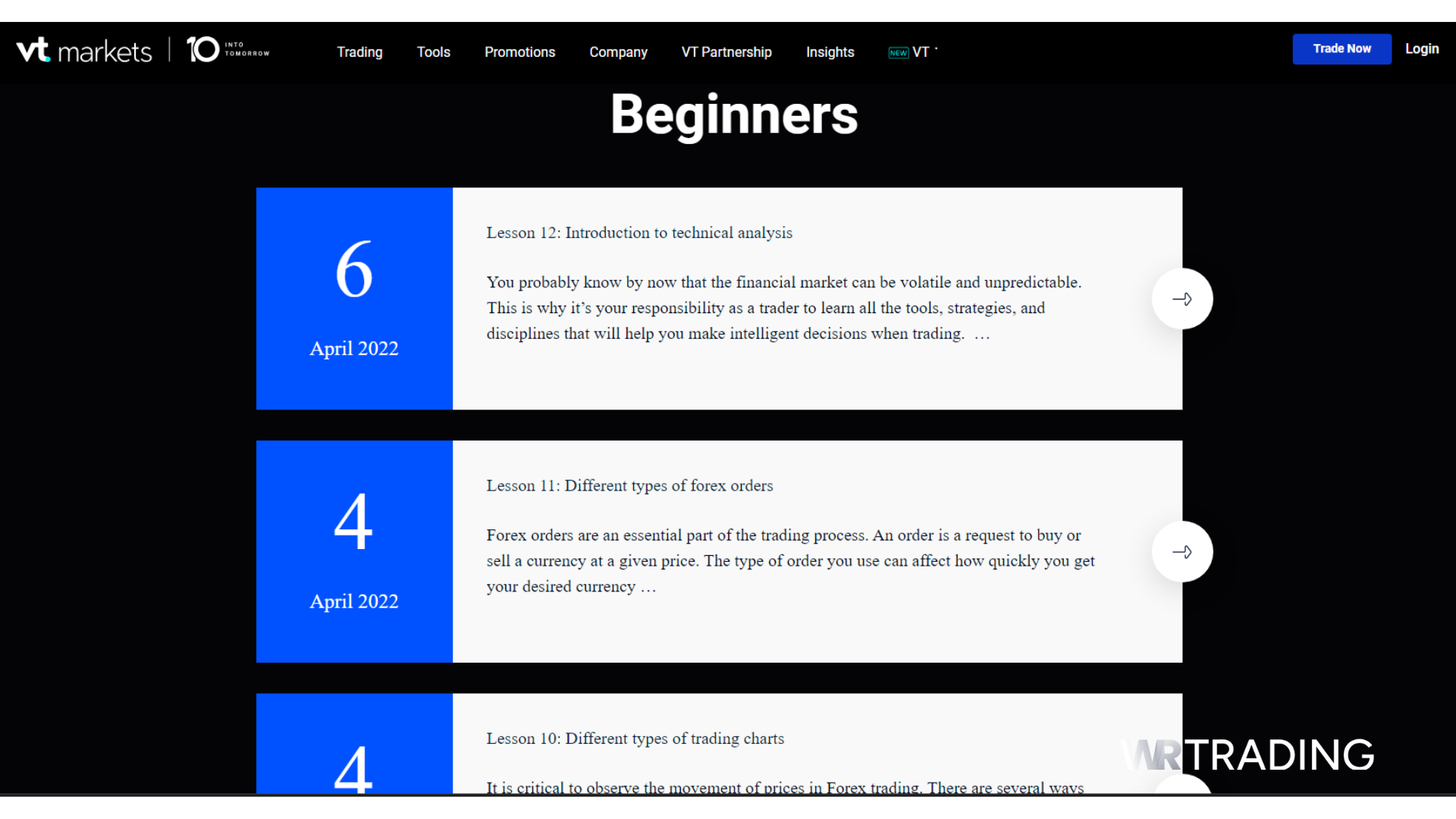
VT Markets is a versatile broker that adapts its services to both beginners and experienced traders. Appreciate VT Markets for its seamless integration with MetaTrader 4 and WebTrader 5 platforms, which offer powerful trading tools and user-friendly interfaces. The broker has a mobile app that lets you customise trades and set alerts from anywhere.
Spreads starting from 0.0 pips and leverage up to 500:1 provide excellent trading conditions. VT Markets offers over 40 currency pairs and 1,000 CFDs for trading. Therefore, if you want to expand beyond forex, you’ll always have the option.
One notable feature of VT Markets is its range of account types, including standard, raw, and pro accounts. This flexibility allows beginners to choose an account type that best suits their trading style and financial goals. Also, you can try out the demo account for all these trading platforms and account types to see which option you prefer.
| Feature | VT Markets |
|---|---|
| Beginner Friendly? | Yes |
| Spreads and Commission | Varies based on account: Spread – from 0.0 pips Commission – From no commission to $6 per lot |
| Trading Platforms | Email, help centre, and live chat |
| Asset Types | Forex, stocks, indices, ETFs, bonds, and commodities |
| Tradable Assets | Over CFDs 1,000 |
| Currency Pairs | Over 40 |
| Leverage | 500:1 |
| Customer Support | ASIC, FSCA, and the Mauritius FSC |
| Demo Account | Yes |
| Mobile App | iOS and Android |
| Educational Content | VT Markets Academy |
| Regulation | ASIC, FSCA, and Mauritius FSC |
What Is Important When Choosing a Forex Broker as a Beginner?
Choosing the right forex trading broker is one of the most important steps for beginners starting their trading journey, as each platform offers different features. At WR Trading, we’ve identified several key factors, such as offering demo account access, low minimum deposits, a range of forex pairs, a user-friendly interface, and low fees, that can help ensure a positive trading experience.
User-Friendly Platform
The platform you trade on should be easy to navigate and use. As a beginner, you want a platform that doesn’t overwhelm you with complexity, but still offers the tools you need to succeed. Look for brokers that support MetaTrader 4 or MetaTrader 5, as these platforms are known for their user-friendly interfaces and comprehensive trading features.
Competitive Spreads and Low Fees
Trading costs can add up quickly, so choosing a broker that offers competitive spreads and minimal fees is essential. Spreads are the difference between the buy and sell prices, and they should be as tight as possible. Some brokers offer spreads as low as 0.0 pips, which can significantly reduce your trading costs. Be mindful of other fees, such as withdrawal charges, inactivity fees, and commissions.
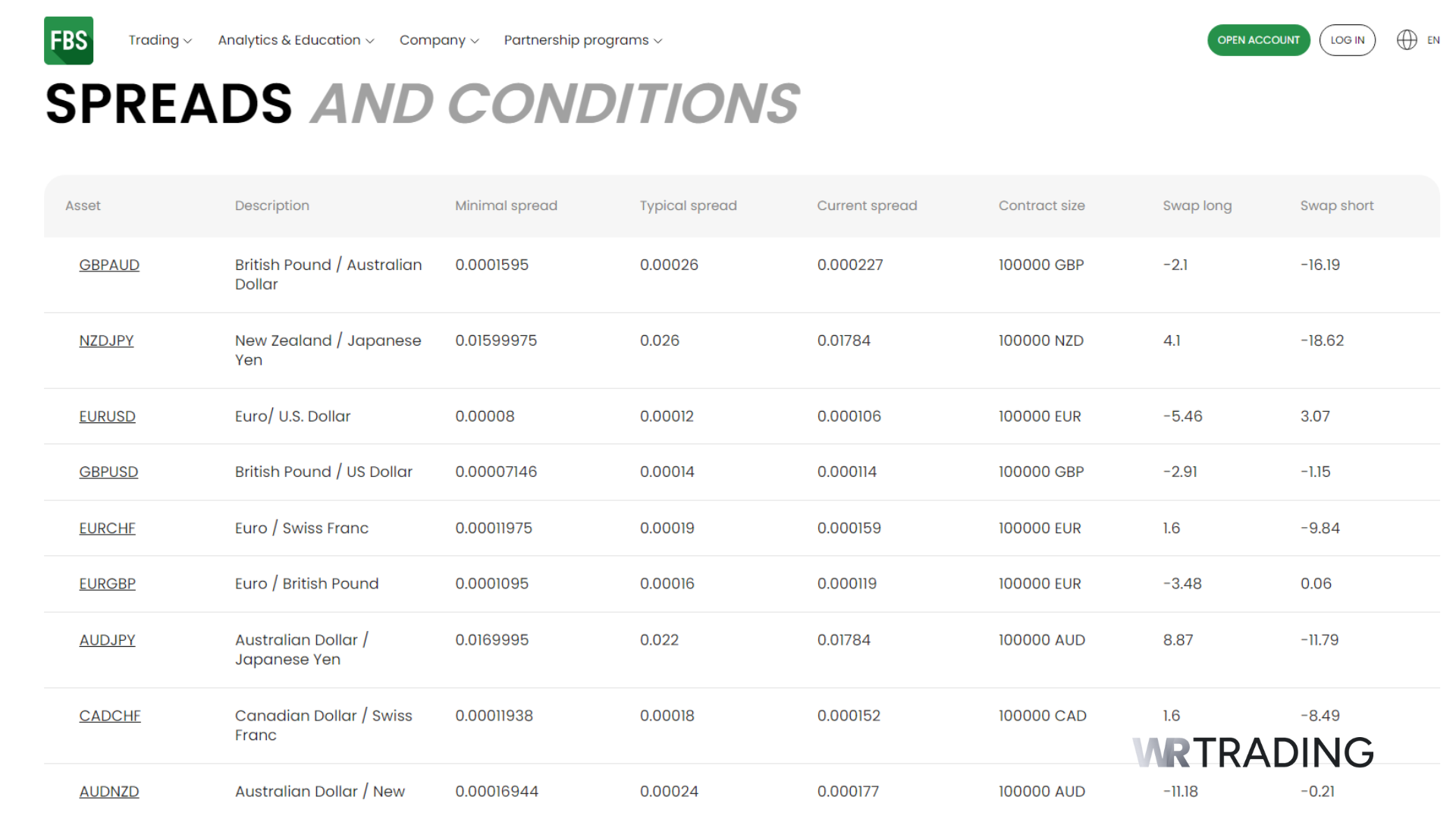
Range of Forex Pairs
A good broker should offer a wide range of Forex pairs to trade. This variety allows you to diversify your trading and find opportunities in different markets. While major pairs like EUR/USD and GBP/USD are popular, having access to minor and exotic pairs can provide additional trading opportunities.
Demo Account Access
A good beginner broker should offer a full demo account, allowing you to practice with real prices using virtual funds. Create the demo from the website or app, pick your platform, and set a starting balance that matches what you plan to fund later. Use it to learn order tickets, stops, and position sizing, and to check spreads, swap lines, and reports. Stay on demo until you can consistently produce good results.
Mobile Use
Mobile apps matter for beginners who track markets and manage positions on the go. Look for native iOS and Android apps that mirror desktop features, including clear order tickets, charting with core indicators, price alerts, and account history. Verify that two-factor authentication is available, that the app handles deposits and withdrawals, and that you can adjust stops and close trades quickly. Test stability during busy times to ensure the app remains responsive when spreads are active.
Leverage Options
Leverage allows you to control a larger position with a smaller amount of money, which can be advantageous for beginners looking to maximise their trading potential. However, high leverage also increases risk, so it’s essential to choose a broker that offers flexible leverage options and provides clear information on the associated risks.
Reliable Execution and Liquidity
Fast and reliable trade execution is necessary in a fast-paced market like Forex. You want a broker with high liquidity and minimal slippage, ensuring your trades are executed at the best possible price. Look for brokers known for efficient execution and deep liquidity.
Security and Regulation
A reputable financial authority should regulate your chosen broker. Regulation ensures that the broker adheres to strict standards of financial integrity and transparency, providing an added layer of protection for your funds. Check for regulation from bodies such as the Financial Conduct Authority (FCA), the Australian Securities and Investments Commission (ASIC), or the Cyprus Securities and Exchange Commission (CySEC).
Customer Support
While not the primary focus, having reliable customer support is essential, especially when you encounter issues or have questions about your account. Look for brokers that offer multiple support channels, such as live chat, email, and phone, with availability during trading hours.
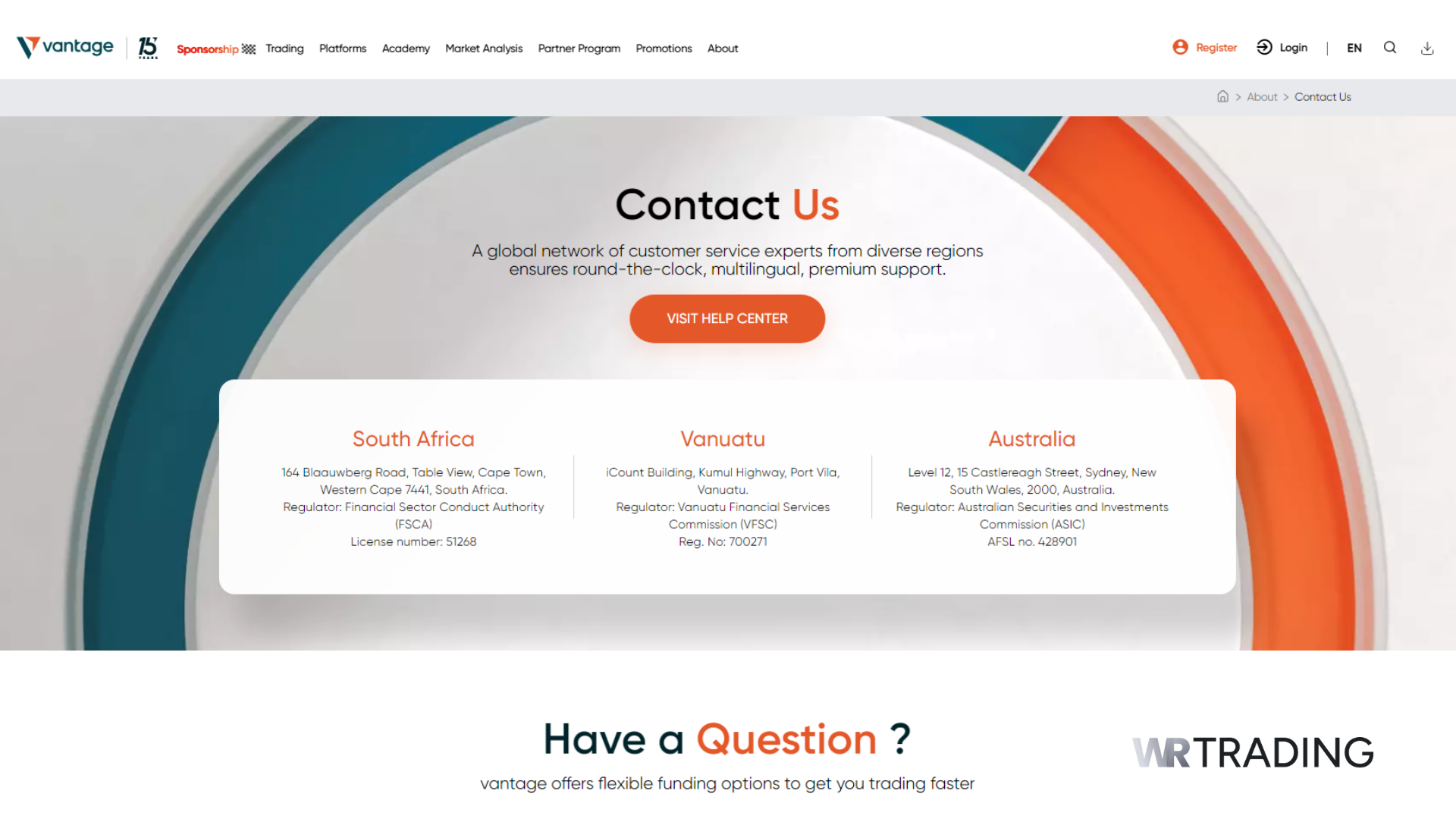
Account Types and Flexibility
Consider the types of accounts the broker offers. Different account types suit different trading styles and experience levels. As a beginner, you might benefit from an account with lower minimum deposits, such as $1, $5, or $10, so you can start small, test trading, and learn without overcommitting funds. Some brokers offer demo accounts, allowing you to practice trading without risking real money.
How Much Money Do You Need to Start With a Forex Broker?
The amount of money you need to start trading forex can vary widely depending on your trading goals and the broker’s requirements. Generally, you can begin with as little as $5, which is sufficient for micro or mini accounts that allow smaller trades. This low entry point is perfect for beginners who want to get a feel for the market without risking a significant amount of money.
Can I Try a Forex Broker for Free?
Yes, you can try a forex broker for free by opening a demo account that uses virtual funds, allowing you to learn without risking real money, while still showing live or near-live prices. A good demo mirrors the real platform, which means you see the same order tickets, charts, spreads, swaps, and margin readouts that you will see on a live account.
Fills are instant in most demos, and slippage is limited, so treat results as practice data rather than proof of profits. Also, use the statements to learn where costs and financing appear on each position to gain an understanding of how fees impact your profitability.
Create the demo from the broker’s website or app and choose the same platform you plan to trade live so your workflow transfers cleanly. Set a starting balance that matches your planned deposit, select sensible leverage, and build a small watchlist. Practice using market, limit, and stop orders with a stop-loss and take-profit on every trade. Track entries, exits, win rate, maximum drawdown, and common mistakes for at least a few sessions, then move to a small live balance only when you can see you’re achieving consistent positive results.
Sign-up Process Explained
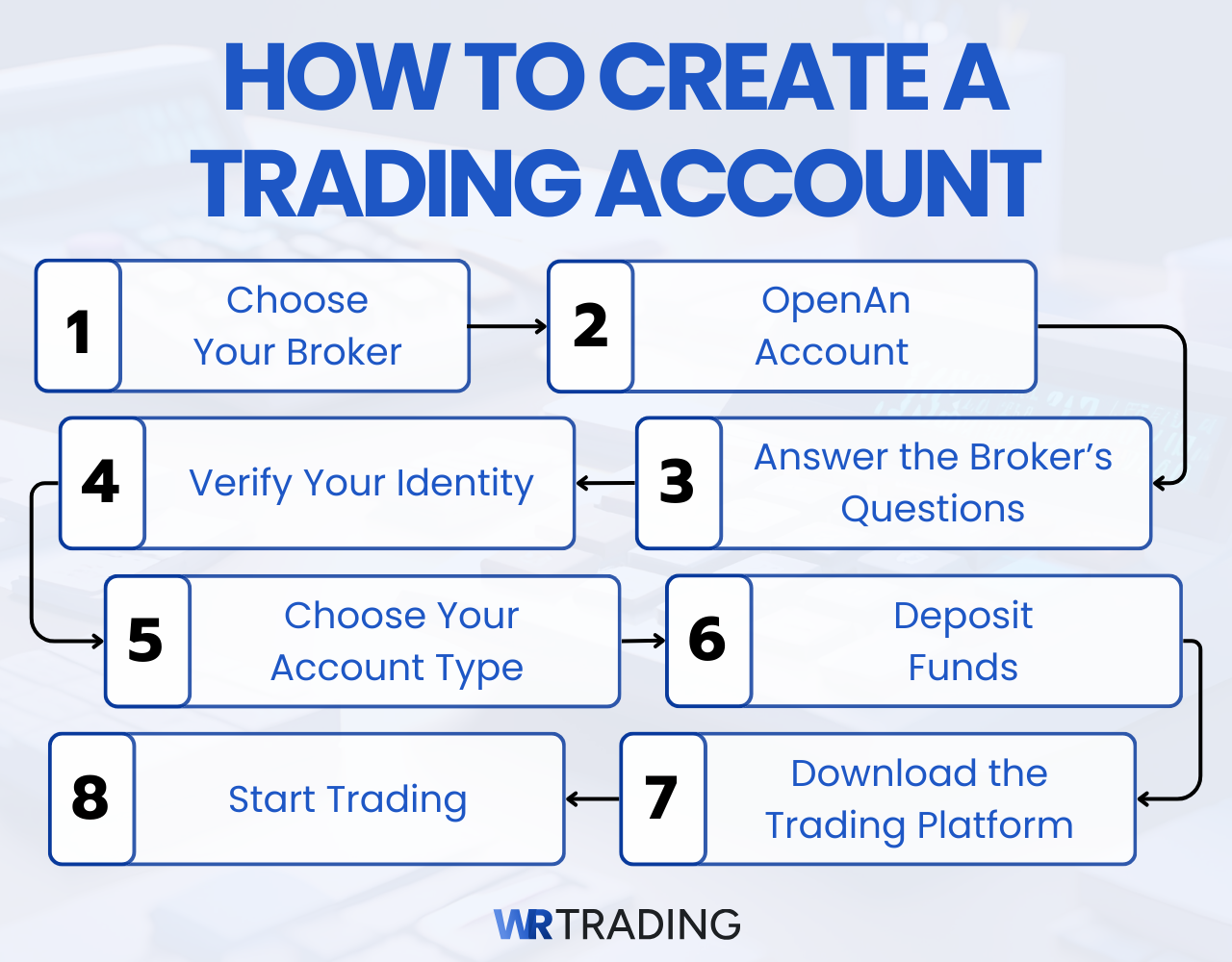
Getting started with a forex broker involves a straightforward sign-up process. Here’s a step-by-step guide to help you navigate through it smoothly:
Step 1: Choose Your Broker
Begin by selecting brokers that interest you and verifying their regulatory status. Check who supervises them, how client money is kept in segregated accounts, and whether negative balance protection applies in your region. Read recent reviews for platform stability and customer support quality during busy market hours so you know help is available when spreads widen or the platform updates.
Compare beginner essentials before you decide, such as if there is a free demo, a low minimum deposit, and a simple account dashboard for documents, funding, and withdrawals. Make sure the platforms match your needs by checking support for MT4, MT5, TradingView, or a clean web app with alerts and a mobile app. Look at the minimum trade size, available currency pairs, and the “from” spread on the pairs you expect to trade.
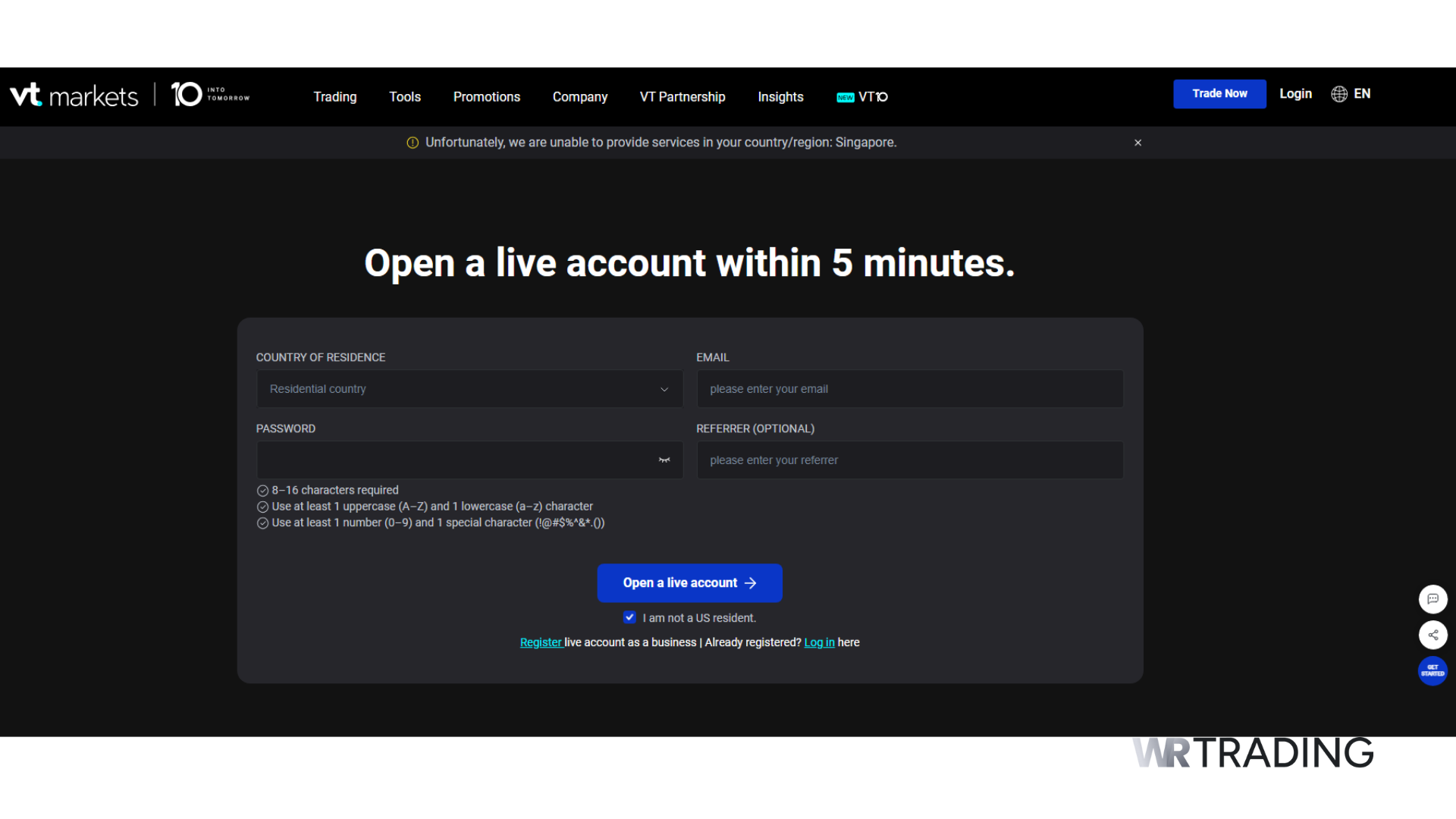
Step 2: Open an Account
Once you have picked a broker that matches your needs, press “Open Account” on the broker’s site and complete the registration form with your legal name, address, date of birth, phone, and email. Set a strong password and enable two-factor authentication to protect your login from the start. Choose your base currency and the trading platform you plan to use so statements and charts line up with your workflow.
Step 3: Answer the Broker’s Questions
Most brokers ask short suitability questions covering income, employment, trading experience, and objectives. Answer honestly and keep explanations simple because the broker uses this information to set leverage limits, product access, and risk disclosures that align with your situation. If you have no experience, be upfront about it, and select the lowest leverage on day one to keep margin requirements minimal.
Expect additional questions when you request higher limits or professional features. You may be asked about net worth, source of funds, or prior derivatives knowledge. It’s acceptable to state that you want to try the platform with a small amount of money while you learn, and doing so often results in account settings that protect beginners from oversized positions.
Step 4: Verify Your Identity (KYC)
Prepare clear, color images of your documents and check that names and addresses match your application exactly. For identity, provide a passport, national ID, or driver’s license that has not expired. For address, provide a bank or credit card statement, a utility bill, or a government or tax letter dated within the last three months with your full name and address visible.
Upload the files through the secure portal and wait for automated checks to run. This is usually completed in minutes, while manual reviews can take one to two business days if images are blurry or corners are cropped. If the broker requests a selfie or short video for liveness, take it in good light and make sure the document you hold is the same one you uploaded to avoid a repeat request.
Step 5: Choose Your Account Type
Review the account list and select the one that best matches how you plan to trade in the first three months. Standard accounts fold costs into the spread and keep tickets simple, which suits small trade sizes and low frequency. Raw or ECN accounts show the tightest spreads and add a commission per lot, which is useful once you understand costs and plan to place more orders.
Check the minimum deposit, minimum trade size, and available leverage for each account to manage risk effectively with small positions. Confirm whether the account supports all the platforms you want, if copy trading is available, and if swaps, bonuses, or promotions apply.
Step 6: Deposit Funds
Next, select a payment method that best suits your situation. Cards and e-wallets are quick to set up and allow fast deposits, while bank transfers suit larger amounts and withdrawals because fees are usually lower. Verify the minimum deposit, expected processing time, and any conversion fee if your account currency differs from your bank currency.
Fund with a small amount that matches your planned position size on a demo so the transition to live feels familiar. Keep proof of payment ready in case the broker requests it for security reasons. After the funds arrive, check the balance and buying power on the dashboard, then review the withdrawal page to familiarize yourself with the steps and time frames so you understand them when it’s time to withdraw funds.
Step 7: Download the Trading Platform
Install the platform you selected during sign-up and log in with the credentials from your client portal. On desktop, complete the first-run settings by selecting your server, setting the chart time zone you will trade in, and enabling one-click trading only after you understand the whole process.
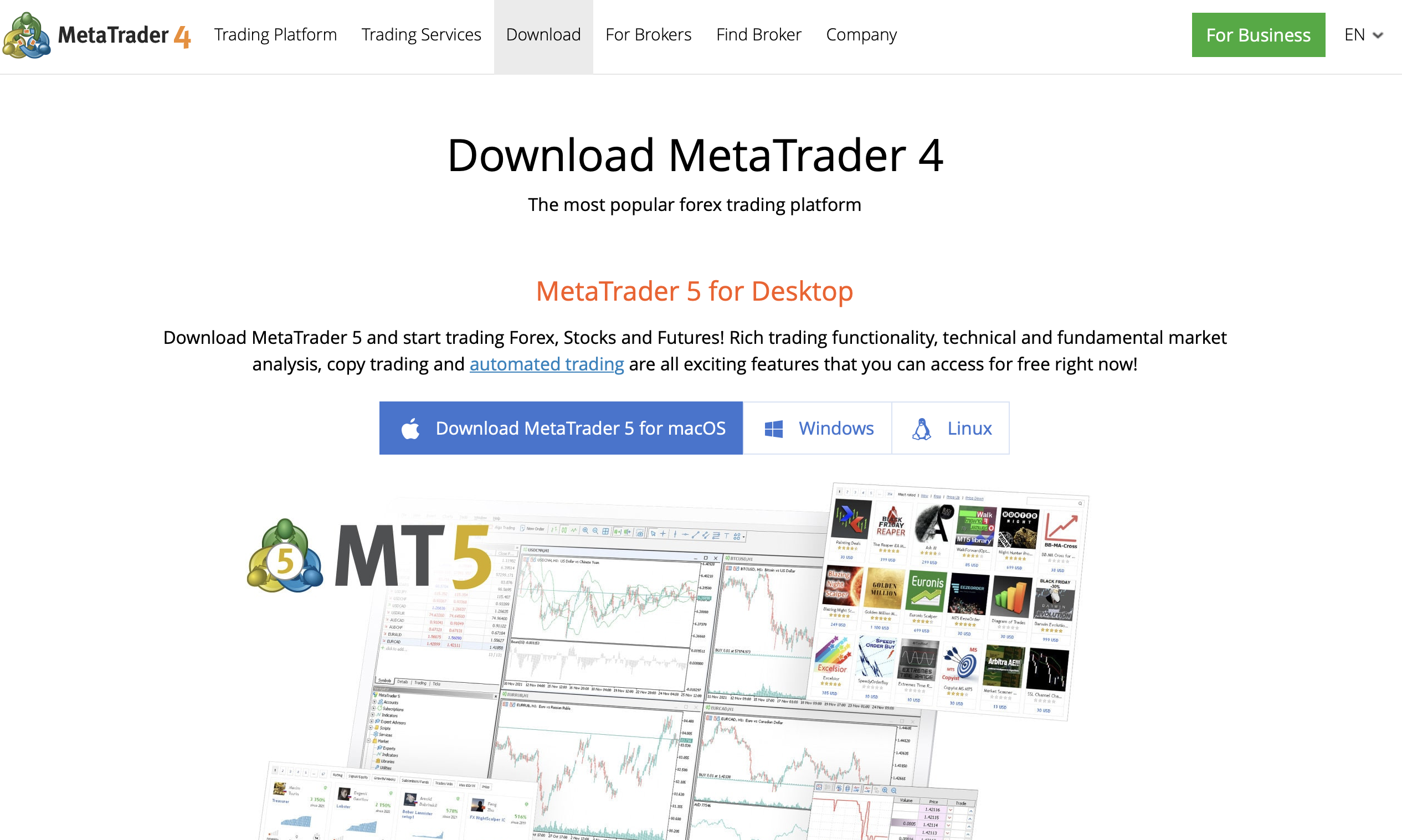
Build a simple workspace that you will use in your demo account and later transition into a live account. Add your watchlist, set the default lot size to a small value, and configure chart templates with the indicators you actually use. Then create price alerts for key levels so you don’t chase entries, and test that order modifications, stop adjustments, and position closures work smoothly before placing a real trade.
Step 8: Start Trading
The final step is to start trading via a live or a demo account. Select one currency pair and open the order ticket. Then, choose the order type that aligns with your trading plan: Market for instant entry or Limit for a more favorable price. Check the live spread and any commission shown on the ticket so you know the true cost.
We recommend setting position size from a fixed cash risk or a small percent of balance, around 1-3% per trade. Then calculate stop distance in pips, and place the stop-loss where the trade becomes invalidated. Add a take-profit level that aligns with your plan, or set a rule to trail the stop once the price moves in your favor.
Once all parameters are set, double-check them to ensure you inputted everything correctly. Afterwards, submit the order and wait for the fill notice. Then, verify the position, stop, and target in the Positions window. Set price alerts at key levels, and log the trade with the entry reason, risk, and exit plan, so you can learn from the results.
What Is the Best Account Type for Beginners?
The best account type for beginners to start with is a demo account because it allows you to learn the trading platform, practice placing orders, and build a repeatable routine using real prices and virtual funds. We recommend matching the demo balance and leverage to what you will use live, keep a brief journal of entries and exits, and move on only when placing and managing trades feels smooth from watchlist to close.
When you go live, a raw spread account is usually the most cost efficient once you understand how spreads and commission work because pricing starts tight and the per lot fee makes total costs easy to calculate. Good raw choices from our list include StarTrader, Vantage Makers, and RoboForex.
Potential Pitfalls as a Forex Beginner
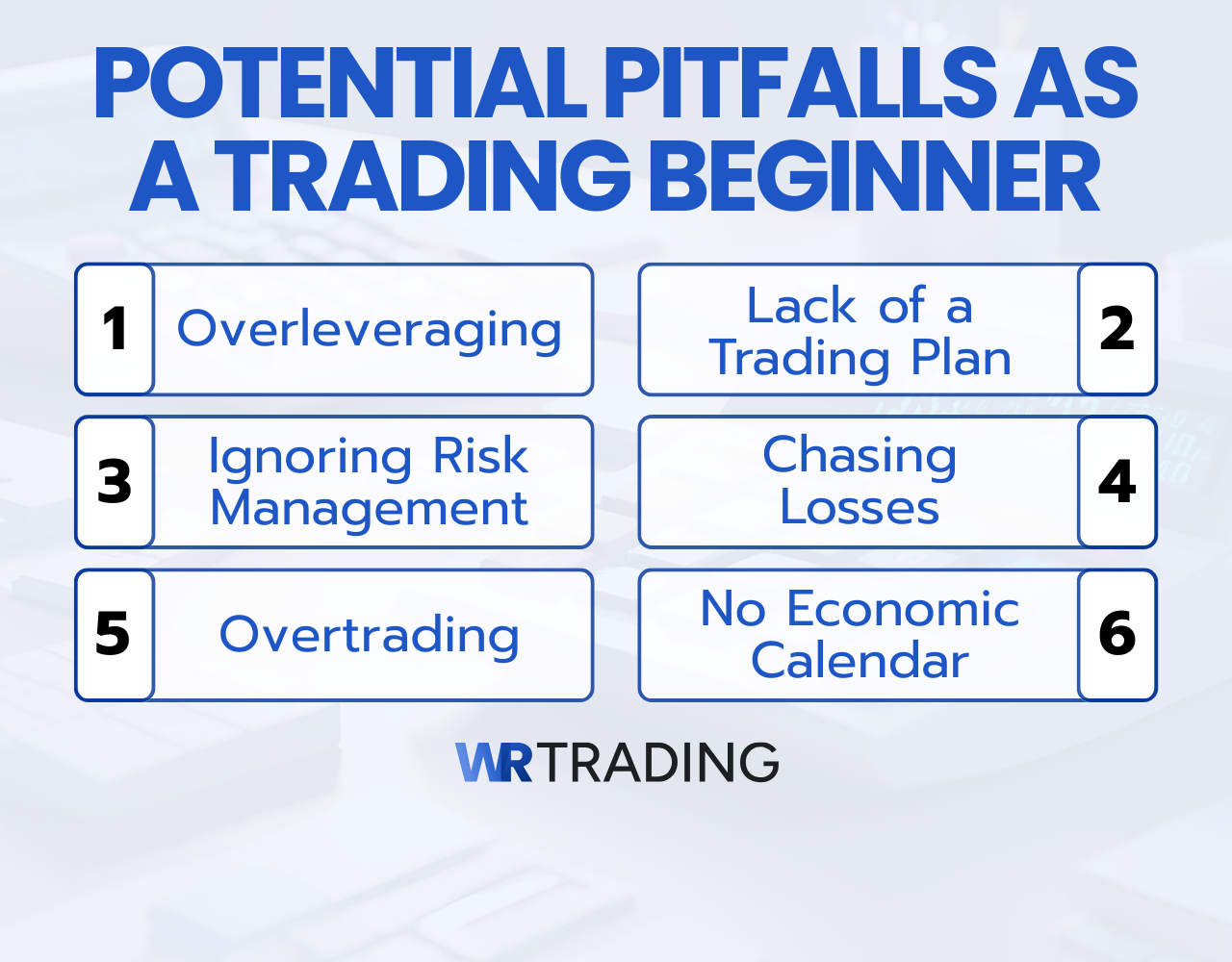
Starting your journey in forex trading can be thrilling, but it comes with its fair share of challenges and risks. We’ve identified common pitfalls that beginners should avoid to prevent unnecessary losses and frustration.
Overleveraging
One of the most significant risks for new traders is overleveraging. While leverage can magnify your profits, it increases your risk exposure. High leverage means that even small market movements can lead to substantial losses. Beginners often underestimate this risk and may end up with margin calls, where the broker requires additional funds to maintain open positions. It’s important to use leverage wisely and start with lower ratios until you gain more experience.
Lack of a Trading Plan
Entering the Forex market without a solid trading plan is akin to setting sail without a map. Many beginners trade based on emotions or tips rather than following a well-structured plan. A trading plan should outline your goals, risk tolerance, entry and exit points, and the strategies you will use. Sticking to your plan helps you stay disciplined and make informed decisions rather than reacting impulsively to market changes.
Ignoring Risk Management
Effective risk management is essential to long-term success in forex trading. Beginners often neglect this aspect, risking more money than they can afford to lose on a single trade. A common rule of thumb is to risk no more than 1-2% of your trading capital on any given trade. Using stop-loss orders can help you limit potential losses and protect your investment. Consistently applying risk management strategies can prevent small losses from escalating into significant setbacks.
Chasing Losses
The urge to recover lost money quickly can lead beginners to chase losses, often resulting in even greater losses. This behaviour, known as “revenge trading,” is driven by emotion rather than rational decision-making. It’s essential to accept losses as part of the trading process and avoid making impulsive trades to recoup losses. Taking a break and analysing what went wrong can provide valuable insights and help improve your future trades.
Overtrading
Beginners sometimes fall into the trap of overtrading, believing that more trades will lead to higher profits. However, overtrading can lead to increased transaction costs, reduced focus, and poor decision-making. Quality, not quantity, should be the focus of your trades. Carefully select trades based on your analysis and strategy rather than trading for the sake of activity.
Ignoring the Economic Calendar
Economic events and news releases can significantly impact currency prices. Beginners often overlook the importance of tracking these events, which can lead to unexpected market volatility and potential losses. An economic calendar can help you stay informed about upcoming events and plan your trades accordingly. Being aware of major economic indicators and news can help you make better-informed trading decisions.
5 Best Tips for Forex Trading Beginners
Entering the Forex market can be overwhelming, but with the right approach and strategies, beginners can navigate this environment successfully. We’ve compiled five tips to help you start your forex trading journey on the right foot.
- Start with a Forex Demo Account: Before diving into live trading, get comfortable with the trading platform and develop your strategies using a forex demo account. It allows you to trade with virtual money in real market conditions, helping you understand the mechanics of trading, test your strategies, and build confidence without risking real money.
- Educate Yourself: Knowledge is power in forex trading. Take the time to educate yourself about the market, trading strategies, and economic factors that influence currency prices. Utilise resources such as online courses, webinars, books, and articles. Focus on learning about technical analysis, fundamental analysis, and risk management.
- Develop a Trading Plan: A well-defined trading plan is your roadmap to success. Your plan should include your trading goals, risk tolerance, preferred trading strategies, and criteria for entering and exiting trades. Having a clear plan helps you stay disciplined and reduces the likelihood of impulsive decisions driven by emotion.
- Manage Your Risk: Effective risk management is vital to long-term success in Forex trading. Never risk more than you can afford to lose, and always use stop-loss orders to limit potential losses. Diversify your trades to spread risk across different currency pairs and avoid overexposure to any single position.
- Stay Patient and Disciplined: Forex trading requires patience and discipline. It’s important to stay calm and avoid chasing quick profits. Market conditions can change rapidly, and it’s easy to get caught up in the excitement. Stick to your trading plan, and don’t let emotions drive your decisions. Be prepared for losses and learn from them, as successful trading is a marathon, not a sprint.
Conclusion
In conclusion, this article has provided an in-depth look at the best forex brokers for beginners. We reviewed the top 10 brokers, with StarTrader, Vantage Markets, and RoboForex emerging as the top three choices due to their user-friendly platforms, competitive spreads, and excellent features for new traders.
Start with a demo account, educate yourself thoroughly, and develop a solid trading plan before going into the live market. By selecting one of these top brokers and following these key tips, you’ll be well-prepared to start your forex trading career.
Quick Overview of Our Top Picks For Forex Beginners:
- StarTrader – Best for choice of markets and demo account
- Vantage Markets – User-friendly interface.
- RoboForex – Low minimum deposit.
- Forex.com – Best for US Beginners
- Moneta Markets – Advanced trading tools.
- BlackBull Markets – Excellent customer service.
- Pepperstone – Competitive spreads.
- IC Trading – Robust security features.
- FBS – High leverage options.
- VT Markets – Diverse account types.
Frequently Asked Questions on Forex Brokers For Beginners
What Should Beginners Look for in a Forex Broker?
Beginners should prioritise brokers with user-friendly platforms, low minimum deposits, and competitive spreads. It’s beneficial to choose a broker that offers a demo account and comprehensive educational resources. These features help new traders learn and practice without significant financial risk.
Are There Brokers That Offer Educational Resources for Beginners?
Yes, many brokers offer educational resources such as webinars, tutorials, articles, and trading guides. These resources are designed to help beginners understand Forex trading concepts and develop effective strategies. Brokers like FP Markets and RoboForex are known for their comprehensive educational offerings.
What Are the Trading Platforms Commonly Offered by Forex Brokers?
Most brokers offer popular trading platforms like MetaTrader 4 (MT4) and MetaTrader 5 (MT5). These platforms are known for their user-friendly interfaces and advanced trading tools. Some brokers offer proprietary platforms that integrate into their specific services.
How Do Spreads From These Brokers Affect My Trading Costs?
Spreads are the difference between the buy and sell price of a currency pair and are a primary cost of trading. Lower spreads mean lower trading costs, which is beneficial for maximising profits. FP Markets and Vantage Markets offer some of the tightest spreads, starting from 0.0 pips.
How Can I Manage Risk Effectively With These Forex Brokers?
You can manage risk by setting stop-loss orders, diversifying your trades, and not risking more than a small percentage of your capital on any single trade. The brokers on our list offer tools to easily set these parameters. Consistently applying these strategies can help protect your investment.

